
You have a marketing budget. You want more customers. But where should you spend it, Google Ads or Meta Ads?
The answer depends on how your customers choose to purchase.
Google Ads works well if the consumer has a need for a product or service. Meta Ads allows you to reach potential customers as they browse Facebook or Instagram, even if they aren’t looking to buy.
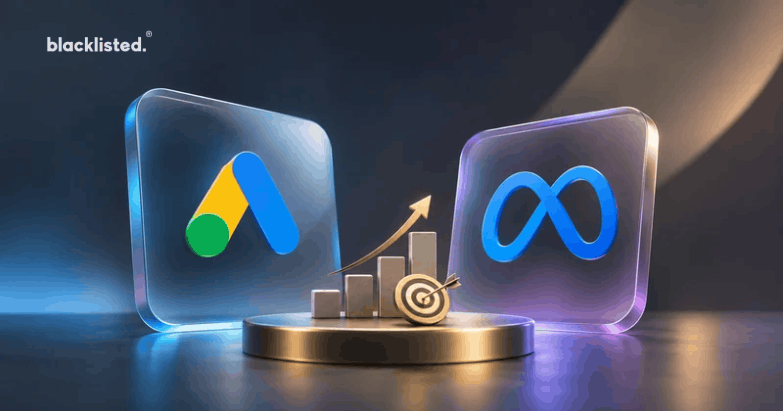
Understanding Google Ads vs. Meta Ads will help you choose the platform that suits your goals and avoid wasting money on campaigns that bring in the wrong audience.
Google Ads vs Facebook Ads: What’s the Difference?
The biggest difference is the customer’s intent.
Google Ads helps businesses reach people on Search, Shopping, YouTube, and across the web. Search ads, especially, can be useful because they can appear when someone is already looking for a solution.
Say someone searching for “emergency plumber near me” is in immediate need.
Meta Ads are not the same. They target people across Facebook, Instagram, and other Meta placements based on audience signals and campaign targeting.
For example, a clothing brand could show an Instagram Reel to someone who wasn’t planning on shopping but who became interested after seeing the product.
Both platforms allow businesses to pay for ads, but they reach customers at different stages of the buying journey.
1. When Should You Choose Google Ads?
If customers already know what they want, Google Ads is usually the better option.
It’s especially useful for:
- Local services: dentists, electricians, lawyers, and repair services.
- B2B Companies: Software and professional services companies.
- E-commerce stores: Stores that sell the things people are looking for.
- Urgent needs: Services that customers want but not necessarily right away.
The advantage is reaching potential buyers when their interest is already clear.
However, competitive keywords can be expensive. Businesses also need relevant landing pages and accurate conversion tracking to understand whether their campaigns are profitable.
A reliable paid marketing agency should assess search demand and expected lead quality before recommending a Google Ads budget.
2. Where Do Meta Ads Perform Better?
Meta Ads works particularly well when customers are searching for a product before making a purchase decision.
Think fashion, beauty, home decor or fitness products. They may not be looking for them immediately, but an interesting image or video may make them want to search.
Meta Ads is useful for:
- Introducing new products or brands.
- Promoting seasonal offers and launches.
- Reaching audiences through visual content.
- Building interest before customers are ready to buy.
Creative quality matters here. An engaging reel, clear product demonstration or convincing customer testimonial can make a substantial difference.
The downside? Someone who clicks an ad on Instagram might be curious, not ready to buy.
So that means Meta campaigns sometimes need some extra engagement and follow-up to create sales.
3. Which Platform Is More Cost-Effective?
Comparing Google Ads vs Facebook Ads, there is no universal winner on cost.
In competitive industries, Google Search ads can cost more per click because advertisers are competing to reach people who are ready to buy.
Meta Ads can be a way to get in front of more people, but cheaper clicks don’t always mean cheaper customers.
For example, you may have hundreds of low-cost website visits from Instagram but not generate any enquiries. Fewer Google Search visitors might mean better-qualified leads.
The better comparison is based on business outcomes.
What Should You Measure?
- Cost per lead: How much does each enquiry cost?
- Conversion rate: How many visitors become customers?
- Return on ad spend: How much revenue do advertisements generate?
- Lead quality: Are enquiries coming from people likely to buy?
These measures reveal more than impressions or clicks alone.
4. Can Google Ads and Meta Ads Work Together?
Yes. In fact, it makes sense to combine both platforms when your budget allows it to do so.
Think of a furniture brand launching a new collection.
They could use Meta Ads to introduce the products through Instagram Reels and carousel ads. Later, interested customers might Google the brand, compare products, and visit its website.
Google Search or Shopping campaigns can then help capture that demand.
Retargeting campaigns may also help reconnect with eligible audiences who previously interacted with the business.
This approach supports different stages of the customer journey rather than expecting one advertisement to do everything.
5. What If You Have a Small Advertising Budget?
When the money is tight, it’s not always best to run campaigns everywhere.
Start with the platform that suits your customers’ behaviour.
Choose Google Ads if:
- Customers are looking for your services.
- You need enquiries from people closer to a decision.
- Your business solves a real, pressing problem.
Choose Meta Ads if:
- Your product relies on visual appeal.
- Customers need to discover your brand.
- You have engaging creative content and a compelling offer.
Before increasing spending, test your campaigns and track actual results.
Successful paid advertising for businesses depends on reaching the right audience with the right message, not simply choosing the most popular platform.
Which Advertising Platform Should You Choose?
Choosing between Google Ads and Meta Ads depends on your business goals, target audience, and customer behaviour. Google Ads helps capture existing demand by reaching users actively searching for products or services, while Meta Ads focuses on building brand awareness, generating interest, and encouraging discovery.
For businesses looking to maximise their advertising results, partnering with a creative agency like Blacklisted can help bring strategy, creativity, and performance together. From developing engaging ad creatives to managing paid campaigns, Blacklisted helps businesses connect with the right audience and strengthen their digital presence.
Ultimately, the best advertising platform is the one that consistently attracts quality leads, increases conversions, and delivers sustainable returns on your marketing investment.